Walk into almost any workplace and you will see people working in the same environment.
The same meetings.
The same emails.
The same deadlines.

Yet their brains may be experiencing that environment in very different ways.
- Some people thrive in fast-paced discussions where ideas move quickly.
- Others prefer time to think before speaking.
- Some people move easily between tasks and conversations.
- Others work much harder to organise incoming information and prioritise what matters most.
This is not a question of ability or intelligence.
It reflects how differently human brains process the world around them.
During Neurodiversity Celebration Week, it is a helpful reminder that many workplaces still assume everyone thinks in the same way.
But neuroscience tells us something different.
The brain constantly processes signals from the environment. Conversations, messages, deadlines and expectations all compete for attention. Neurons communicate with each other through connections called synapses to transmit and organise this information.
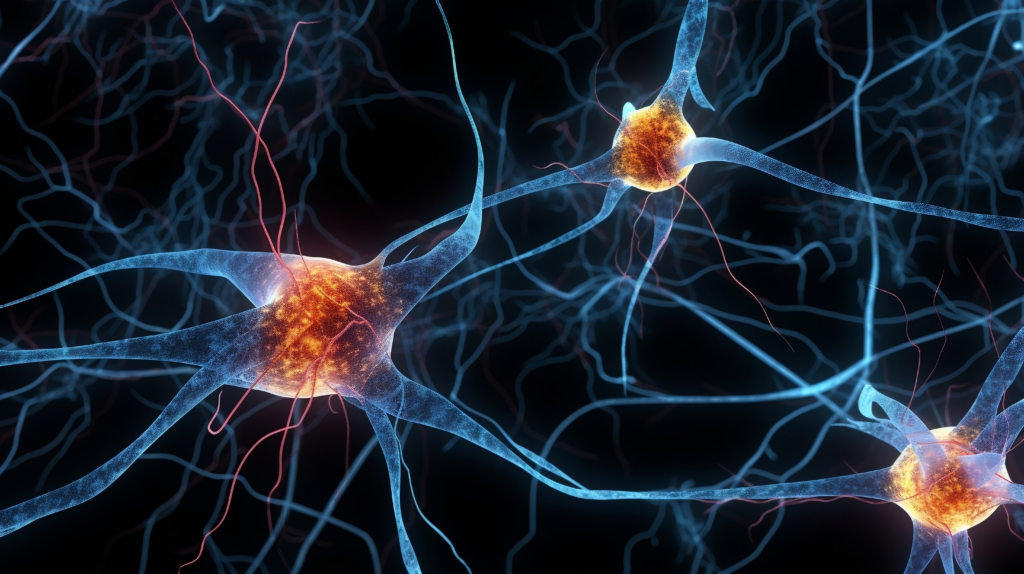
When too much information arrives at once, the brain has to work harder to filter and prioritise what matters.
That effort is often invisible.
But you may notice the effects in everyday work moments.
- A thoughtful pause before responding.
- A preference for written follow-up after a meeting.
- A need for clearer structure or instructions.
These are not weaknesses.
They are simply different ways that brains manage information.
When leaders understand this, something important begins to change.
- Meetings become clearer.
- Instructions carry more context.
- People feel more comfortable contributing in ways that suit how they think best.
The goal is not to treat everyone differently.
It is to recognise that people may think differently.
And when workplaces create environments where different brains can work effectively, teams gain access to a wider range of ideas, perspectives and strengths. Often the difference between someone struggling and someone thriving is not capability. It is the environment around them.

Further learning
If you are interested in exploring this topic further, I recently created a short course called Overview of Neurodiversity.
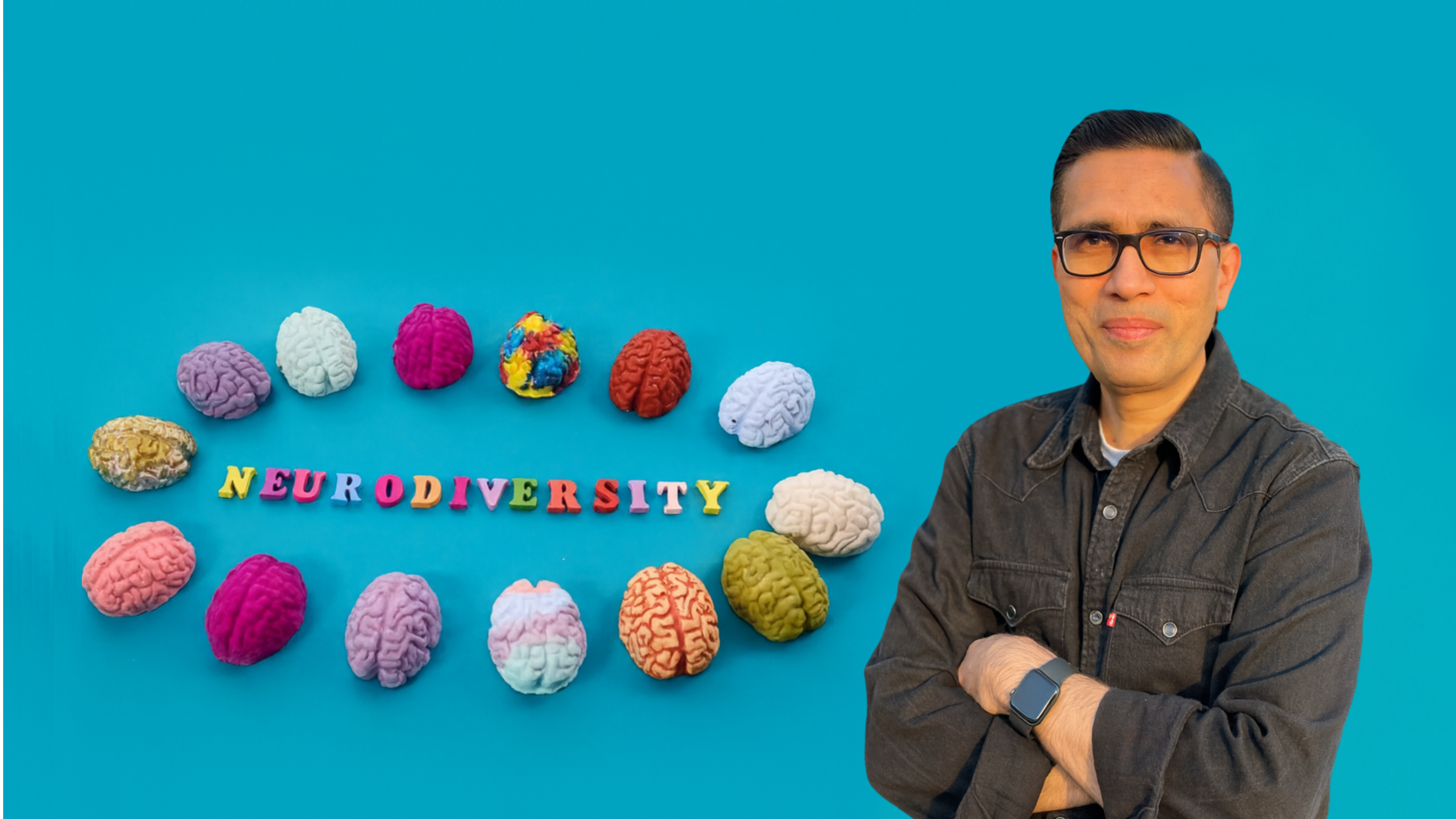
It introduces the foundations of neurodiversity and explains:
- Why people process information differently
- Common workplace challenges for neurodivergent employees
- Simple ways leaders and teams can create more supportive environments
Start your journey here: Overview of Neurodiversity.